

Losing hair every day is normal, but figuring out where ordinary shedding ends and real hair loss begins is not always obvious. If you have noticed more strands on your pillow, in the shower drain, or caught in your brush, you are probably trying to understand hair shedding vs hair loss and whether it needs medical attention. This guide explains the difference in plain terms, shows what typically causes each, and helps you decide when it makes sense to talk to a provider about treatment.
What Is Normal Hair Shedding?
Hair shedding is part of the body’s natural growth cycle. Every strand on your scalp moves through three phases- growth, transition, and rest- before it falls out and is replaced by a new one. Losing somewhere between 50 and 100 hairs a day through this cycle is considered typical. This section explains what normal shedding looks like so you can tell it apart from something more concerning. You might notice a bit more shedding after a stressful stretch, following pregnancy, after an illness or fever, or during seasonal changes such as early fall. This kind of shedding is usually temporary and tends to settle on its own within a few months once the trigger passes.
What Is Hair Loss?
Hair loss refers to a more lasting reduction in hair density, or a stalled ability to regrow hair at all. Unlike shedding, hair loss often follows a pattern, such as thinning at the crown, a receding hairline, or a widening part. This section explains what hair loss is and why it usually points to a longer-term issue. Conditions like androgenetic alopecia (commonly called male or female pattern hair loss), alopecia areata, and certain scalp disorders fall into this category. Left unaddressed, this type of hair loss tends to progress gradually over months or years rather than resolving on its own.
Hair Shedding vs Hair Loss: Key Differences
|
Feature |
Hair Shedding |
Hair Loss |
|
Daily strand count |
Roughly 50 to 100 hairs |
Often higher, or thinning without proportional shedding |
|
Pattern |
Even, across the whole scalp |
Localized, such as crown thinning or a receding hairline |
|
Duration |
Usually resolves within 3 to 6 months |
Persists or worsens without treatment |
|
Regrowth |
New hair replaces shed strands |
Follicles may shrink or stop producing hair |
|
Common trigger |
Stress, illness, diet, hormones after childbirth |
Genetics, chronic hormonal sensitivity, autoimmune activity |
Common Causes of Excessive Hair Shedding
- Physical or emotional stress, sometimes called telogen effluvium.
- Rapid weight changes or restrictive dieting
- Nutrient gaps, particularly iron, vitamin D, and protein
- Hormonal shifts after pregnancy or stopping birth control
- Certain medications or a recent surgery
- Thyroid imbalances
Common Causes of Hair Loss
- Genetics, which plays the largest role in pattern hair loss
- Hormonal sensitivity to DHT, a byproduct of testosterone
- Autoimmune activity, as seen in alopecia areata
- Chronic scalp inflammation or unmanaged conditions like psoriasis
- Age-related changes in follicle activity over time

When Should You See a Doctor About Hair Shedding or Hair Loss?
Occasional shedding rarely needs medical care. It is worth booking a consultation with a licensed provider if you notice hair coming out in clumps, visible thinning or bald patches, a receding hairline that keeps moving, shedding that lasts longer than three months, or shedding paired with scalp itching, redness, or pain. A provider can review your history, order basic bloodwork if needed, and help determine whether you are experiencing temporary shedding or a condition that responds better to early treatment.
Treatment Options That Actually Help
Once shedding and loss are correctly identified, treatment becomes far more effective. For temporary shedding, addressing the root cause, whether that is nutrition, stress, or thyroid function, is often enough on its own. For pattern hair loss, most providers recommend starting a clinically supported regimen early, since follicles that stay dormant too long become harder to reactivate.
A structured hair regrowth program can be one option. Through Green Cap Health, licensed Texas providers review your health history over a fully online consultation and recommend a plan built around pharmaceutical-grade ingredients.
Hair Regrowth Options Available Through Green Cap Health
3-in-1 Hair Growth Capsules for Men and Women: a once daily oral formula designed to support follicle health from within, often suited to people whose history points to nutritional or hormonal contributors to shedding.
4 in 1 Advanced Rx Hair Growth Serum: a topical option formulated for more targeted, localized thinning, frequently paired with an oral treatment for a fuller regimen.
Hair Growth Combo of Capsules and Serum: combines oral and topical approaches for men and women who want a more complete regimen from the start.
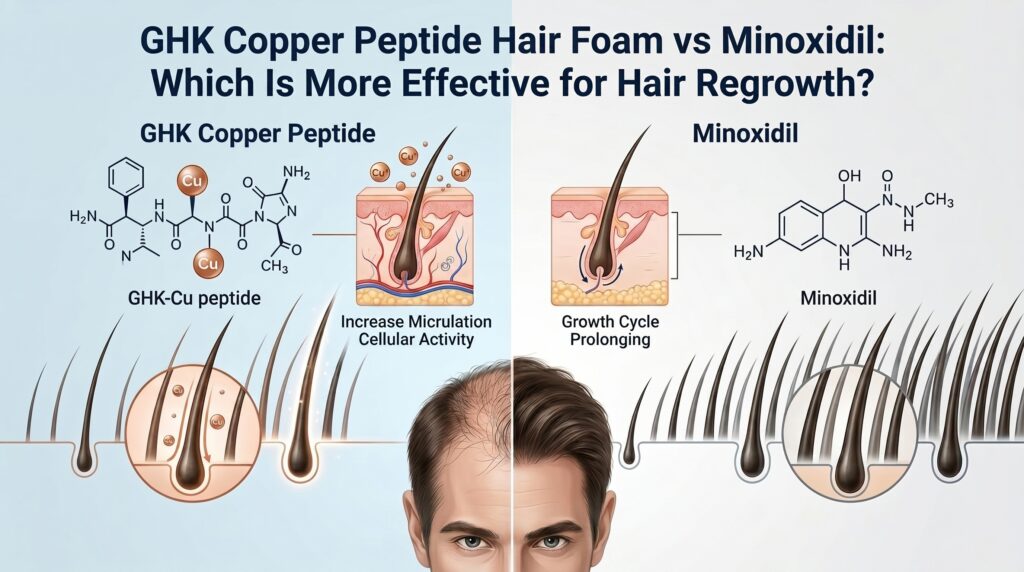
GHK Copper Peptide Hair Growth Foam: a serum-free option for people who prefer a peptide-based topical without added fragrance or filler ingredients.
All products are dispensed through licensed pharmacy partners and shipped discreetly to your door, with ongoing provider support if your plan needs adjusting along the way.
The Bottom Line
Understanding hair shedding vs hair loss is the first step toward the right treatment, rather than guessing based on what you read online. If your shedding feels excessive, is not improving, or is starting to change how your hair looks, a licensed provider can help you find out why and what to do about it. Start a free hair regrowth consultation with Green Cap Health to get a plan built around your history.
Frequently Asked Questions
Q: How many hairs is it normal to lose in a day?
A: Most people shed between 50 and 100 hairs a day as part of the normal growth cycle. Anything well beyond that, especially in clumps, is worth monitoring.
Q: Can stress really cause hair shedding?
A: Yes. A stressful event, illness, or major life change can push a large number of follicles into the resting phase at once, leading to noticeable shedding two to three months later.
Q: Is hair loss reversible?
A: It depends on the cause. Temporary shedding usually reverses once the trigger resolves. Pattern hair loss can often be slowed, and sometimes partially reversed, with early and consistent treatment, though results vary by individual.
Q: When should I worry about hair loss?
A: If you notice bald patches, a receding hairline, or thinning that does not improve after three months, it is a good time to speak with a licensed provider.
Q: Does Green Cap Health treat both men and women for hair loss?
A: Yes. Green Cap Health’s hair regrowth consultations and products are available to both men and women across Texas.
Advance Your Longevity Journey
Our clinical team provides personalized senolytic assessments based on the latest research protocols.