

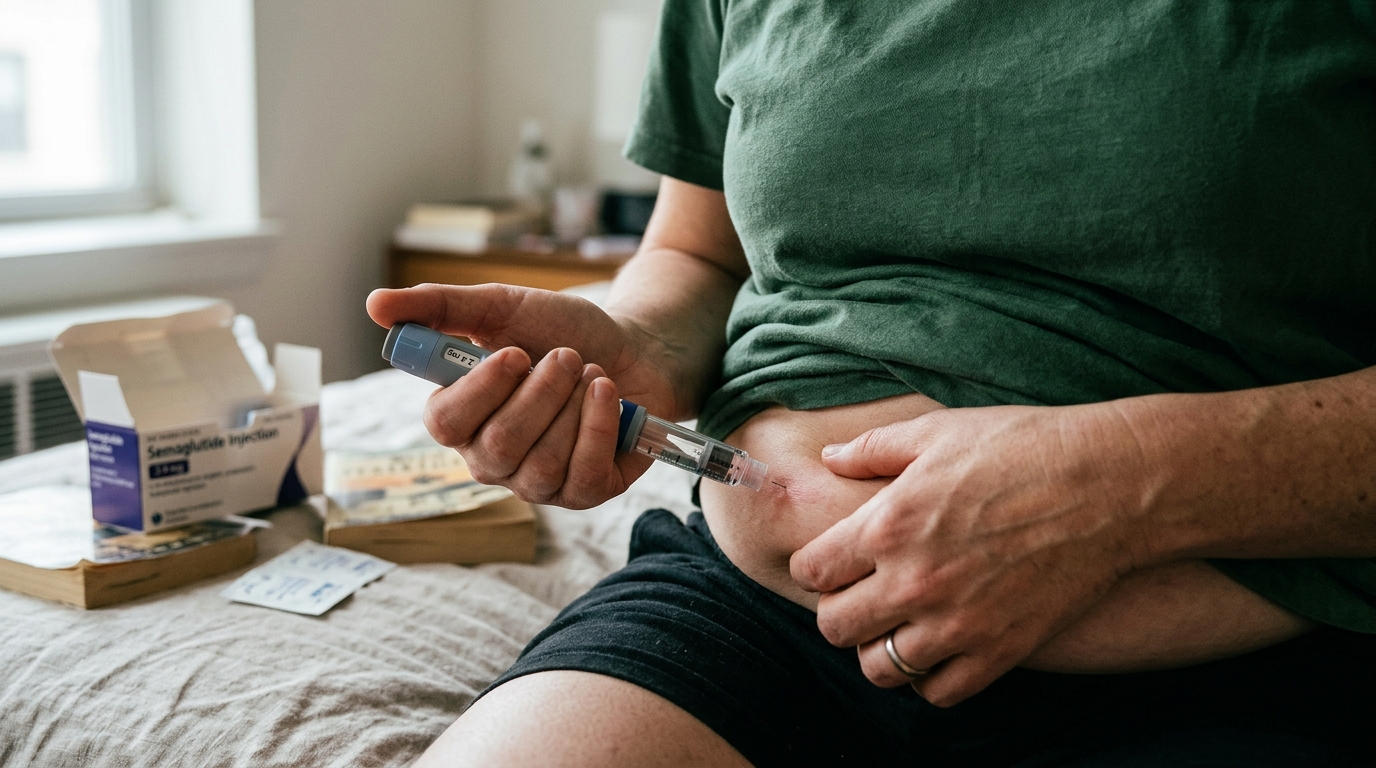
If you’re researching weight loss injections in Texas, you’ve likely seen two names: tirzepatide and semaglutide. Both are prescription medications called GLP-1 receptor agonists, given as once-weekly injections, and both have shown clinically meaningful weight-loss results. But they are not the same drug, and choosing the right one for your body, goals, and health history matters. This guide explains what each medication does, summarizes the research, and shows how Texas patients can access either safely through a licensed telehealth provider.
What Are Tirzepatide and Semaglutide? Understanding the Basics
Semaglutide: The Established GLP-1 Standard
Semaglutide was the first of the two medications to gain widespread attention. Sold under brand names Ozempic (for type 2 diabetes) and Wegovy (for chronic weight management), it works by mimicking a hormone your gut releases after eating called glucagon-like peptide-1, or GLP-1. This hormone signals your brain that you are full, slows how quickly your stomach empties, and helps regulate blood sugar. The result is that most patients feel less hungry and eat less, often without feeling deprived.
In clinical trials, people taking semaglutide for weight loss lost an average of 15% of their body weight over approximately 68 weeks. That may sound modest, but for someone weighing 220 pounds, it represents roughly 33 pounds. More importantly, those results were sustained for as long as people remained on the medication.
Tirzepatide: The Dual-Action Newer Option
Tirzepatide, sold as Mounjaro for diabetes and Zepbound for weight management, takes a slightly different approach. Instead of targeting only the GLP-1 pathway, it also activates receptors for a second hormone, glucose-dependent insulinotropic polypeptide (GIP). This dual-hormone action appears to amplify appetite suppression and metabolic effects beyond what GLP-1 alone achieves.
In the SURMOUNT-1 clinical trial, participants taking the highest dose of tirzepatide lost an average of 22.5% of their body weight over 72 weeks. That is a meaningful difference from semaglutide in a head-to-head context, and it has reshaped how many clinicians approach weight-loss treatment for eligible patients.
Tirzepatide vs. Semaglutide: Side-by-Side Comparison
Here is a straightforward look at how the two medications compare across the factors that matter most to patients:
|
Feature |
Tirzepatide |
Semaglutide |
|
Drug Class |
GIP + GLP-1 agonist |
GLP-1 agonist |
|
Brand Names |
Mounjaro / Zepbound |
Ozempic / Wegovy |
|
Dosing Frequency |
Once weekly |
Once weekly |
|
FDA Approved For |
Type 2 diabetes & obesity |
Type 2 diabetes & obesity |
|
Common Side Effects |
Nausea, diarrhea, vomiting |
Nausea, vomiting, constipation |
|
Availability (TX) |
Telehealth prescriptions |
Telehealth prescriptions |
How Effective Are These Weight Loss Injections? What the Research Actually Shows
Tirzepatide Efficacy in Clinical Trials
The SURMOUNT program, which evaluated tirzepatide specifically for obesity and overweight conditions, produced some of the strongest weight loss data seen in any pharmaceutical trial to date. Patients on 15 mg of tirzepatide lost an average of 22.5% of body weight. Perhaps more striking, more than one-third of participants lost at least 25% of their starting weight. These outcomes are comparable to those of some bariatric surgical procedures, which historically represented the ceiling of what was achievable with medically managed weight loss.
Tirzepatide also showed improvements in blood pressure, triglycerides, and waist circumference, all of which are markers of cardiovascular risk.
Semaglutide Efficacy and the STEP Trials
Semaglutide’s STEP trials were the landmark studies that cemented GLP-1 agonists as genuine weight loss medications rather than diabetes drugs with a side benefit. The STEP 1 trial, which enrolled adults without diabetes, showed an average weight loss of 15% at 68 weeks with 2.4 mg weekly semaglutide. Participants also saw meaningful reductions in waist circumference, blood pressure, and markers of metabolic health.
It is worth noting that semaglutide has also demonstrated cardiovascular protective effects in high-risk patients, whereas tirzepatide is still accumulating long-term data.
Side Effects: What Texas Patients Should Realistically Expect
Neither medication is side-effect-free, and being honest about this is important for building trust with patients who are considering starting treatment. Both tirzepatide and semaglutide share a similar side-effect profile, largely because they act through overlapping biological pathways.
Common Side Effects for Both Medications
- Nausea, particularly in the first few weeks as the dose is being titrated up
- Vomiting, usually mild and transient
- Diarrhea or constipation, which varies between individuals
- Decreased appetite, which is technically the intended effect, but can feel uncomfortable at first
- Fatigue, especially during dose increases
The good news is that most of these side effects are manageable and tend to diminish within the first month. Starting at a low dose and gradually increasing over several weeks is the standard clinical approach for minimizing gastrointestinal discomfort. Patients who work with a provider rather than self-managing tend to have significantly better tolerability.
When to Speak to Your Provider Immediately
- Severe abdominal pain that does not resolve within a few hours
- Signs of pancreatitis, including persistent upper stomach pain radiating to the back
- Rapid heart rate at rest
- Signs of low blood sugar if you are also taking insulin or certain diabetes medications
- Vision changes, which have been reported rarely in semaglutide users
Both medications carry a boxed warning regarding a possible, though currently unconfirmed in humans, risk of thyroid C-cell tumours seen in rodent studies. Patients with a personal or family history of medullary thyroid carcinoma or Multiple Endocrine Neoplasia syndrome type 2 should not take either medication.
Who Is a Good Candidate? Patient Profiles for Each Medication
You May Be a Better Candidate for Tirzepatide If…
- You have tried a GLP-1 agonist before and want to explore a potentially stronger option.
- You have type 2 diabetes and want to address both blood sugar and weight simultaneously.
- Your primary goal is maximum weight reduction, and you meet the clinical BMI criteria (30 or above, or 27 or above with a weight-related condition)
- You have discussed your options with a licensed provider and have no contraindications to dual GIP/GLP-1 therapy.
You May Be a Better Candidate for Semaglutide If…
- You are starting GLP-1 therapy for the first time and want a well-established track record.
- You have cardiovascular disease, and your provider has recommended semaglutide specifically for its cardiac data.
- Cost or insurance coverage is a factor, and semaglutide fits your budget better.
- You prefer a medication that has been on the market longer, with more real-world patient data available.
The most important point is that neither medication should be chosen based on popularity alone. A licensed provider who understands your full health picture, not a blog post or a social media recommendation, is the right person to make this recommendation with you.
Getting a Weight Loss Injection Prescription in Texas: How Green Cap Health Works
For Texas residents, accessing either tirzepatide or semaglutide does not require a long wait at a specialist’s office or navigating a complicated insurance prior-authorization process. Green Cap Health is a licensed Texas telehealth practice that connects patients with board-certified providers for weight loss consultations, prescriptions, and ongoing support, all online.
The process is straightforward. You complete a two-minute health form describing your goals and medical history. A licensed Texas provider reviews your information, typically the same day, and if you are a good candidate, approves a personalized treatment plan. Your prescription is then filled by a licensed Texas pharmacy and shipped discreetly to your door within one to three business days.
No insurance is required, and no in-person visit is needed. Pricing is transparent, and follow-up support is built into the process. Patients with questions during treatment can reach their provider directly online, rather than waiting weeks for a follow-up appointment. You can explore Green Cap Health’s weight loss treatment options and current pricing at greencaphealth.com/weight-loss-treatment and greencaphealth.com/pricing.
Cost Comparison: What Texas Patients Typically Pay
Cost is a real factor for most patients, and it is worth being upfront about it. Brand-name versions of both medications can be expensive without insurance coverage, sometimes running several hundred dollars per month. However, compounded versions of both semaglutide and tirzepatide have been available through licensed compounding pharmacies, offering more affordable options for patients without insurance coverage for weight-loss medications.
Green Cap Health provides transparent pricing on its website. Consulting with their team is the best way to get an accurate sense of what your specific plan would cost, including any membership options that bundle provider access with ongoing prescription management.
Important note: Always verify that any compounded GLP-1 medication comes from a licensed, compliant pharmacy. Quality standards matter for both safety and efficacy.
5 Questions to Ask Before Starting a Weight Loss Injection
Whether you are leaning toward tirzepatide or semaglutide, these are the questions worth raising in your consultation:
- What is my current BMI, and do I clinically qualify for GLP-1 therapy?
- Do I have any health conditions, such as thyroid disease or pancreatitis history, that would make one of these medications unsafe?
- How should I expect to feel during the first four to six weeks, and what dose-titration schedule will we use?
- What does the ongoing monitoring look like, and how often will my provider check in?
- If I experience side effects that feel unmanageable, what is the process for adjusting my treatment?
These are not trick questions. A good provider will welcome all of them, and the answers will help you set realistic expectations and feel confident in your decision.
The Bottom Line for Texas Patients
Tirzepatide and semaglutide are both legitimate, evidence-backed tools for weight loss. Tirzepatide tends to produce greater average weight loss in clinical trials, while semaglutide has a longer real-world track record and robust cardiovascular data. The right choice is not universal. It depends on your health history, your goals, how your body responds, and your access to care.
What Texas patients do have working in their favor is access. Through licensed telehealth providers like Green Cap Health, a same-day provider review, a prescription, and discreet delivery are all genuinely within reach without the need for a specialist referral, an insurance battle, or a months-long waitlist.
If you are ready to start the conversation, Green Cap Health offers a free consultation at greencaphealth.com. Their licensed Texas providers can help you determine which weight loss injection, if any, is appropriate for your specific situation.
Frequently Asked Questions
Q: Is tirzepatide approved for weight loss, or only for diabetes?
A: Tirzepatide is FDA-approved under the brand name Zepbound specifically for chronic weight management in adults with obesity or overweight with at least one weight-related condition. Mounjaro, which has the same active ingredient, is approved for the management of type 2 diabetes.
Q: Can I get semaglutide or tirzepatide through a telehealth provider in Texas?
A: Yes. Licensed telehealth platforms like Green Cap Health allow Texas residents to receive a prescription from a licensed Texas provider without an in-person office visit. The medication is then shipped discreetly to your home. You can start the process at greencaphealth.com/weight-loss-treatment.
Q: How long does it take to see results with either medication?
A: Most patients begin to notice a reduced appetite within the first one to two weeks. Measurable weight loss typically becomes apparent within the first four to eight weeks. Maximum results observed in clinical trials occurred between 68 and 72 weeks of treatment. Sustainable weight loss is a long-term process, and both medications work best when paired with lifestyle changes.
Q: What happens if I stop taking tirzepatide or semaglutide?
A: Research has consistently shown that a significant portion of weight is regained after discontinuing either medication. This does not mean the drugs have failed; it means that obesity is a chronic condition for many people, much like hypertension or high cholesterol, and ongoing treatment often produces the best long-term outcomes.
Q: Is one medication cheaper than the other in Texas?
A: Pricing varies depending on whether you are accessing brand-name or compounded versions and whether you have insurance coverage. Green Cap Health offers transparent self-pay pricing. Visit greencaphealth.com/pricing for current plan details.
Q: Are there any dietary or lifestyle requirements while taking these medications?
A: Neither medication requires a rigid diet, but both work most effectively alongside a high-protein diet, adequate hydration, and regular physical activity. Your provider may offer specific guidance based on your individual plan.
Advance Your Longevity Journey
Our clinical team provides personalized senolytic assessments based on the latest research protocols.