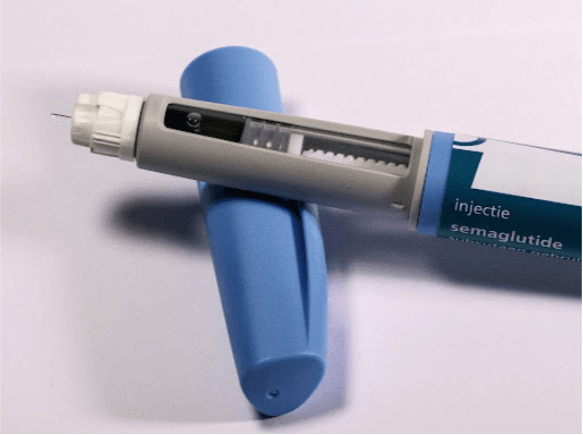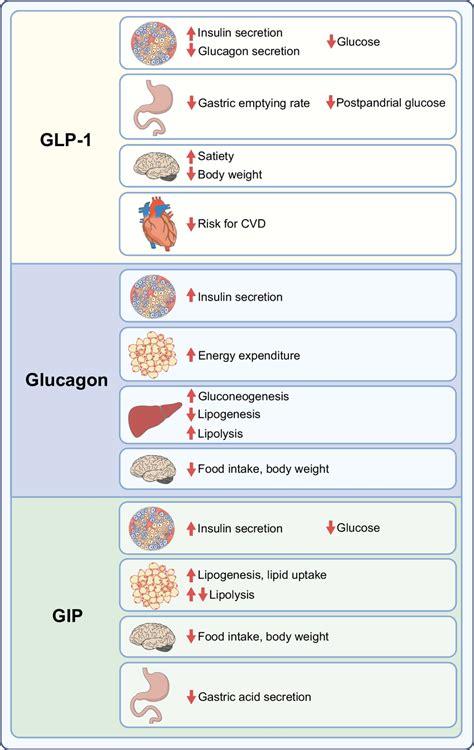

Semaglutide is a GLP-1 receptor agonist that mimics a naturally occurring hormone responsible for regulating appetite, digestion, and blood sugar levels. By slowing gastric emptying, it increases feelings of fullness after meals and reduces hunger signals sent to the brain. Semaglutide: Clinically Proven Support for Weight and Metabolic Health.
This mechanism allows patients to feel satisfied with smaller portions, experience fewer cravings, and reduce frequent snacking. Because semaglutide works through natural appetite pathways, weight loss tends to feel more controlled and sustainable rather than restrictive.
What to Expect During Treatment

Most patients begin noticing changes in appetite within the first few weeks of treatment. Weight loss typically occurs gradually over several months, supporting long-term success rather than rapid, short-lived results.
In addition to weight reduction, semaglutide may improve blood sugar regulation, insulin sensitivity, and cardiovascular risk markers. Many individuals also report improved energy levels and a healthier relationship with food as cravings and emotional eating diminish.
Temporary side effects such as nausea or digestive discomfort may occur early in treatment but often resolve as the body adapts.
Who May Benefit Most from Semaglutide
Semaglutide may be appropriate for individuals with obesity, metabolic syndrome, insulin resistance, or type 2 diabetes, particularly when lifestyle changes alone have not produced desired results. Early intervention and consistent use often lead to better outcomes.
A healthcare provider can determine candidacy, establish proper dosing, and monitor progress to ensure both safety and effectiveness.
A Sustainable, Science-Backed Approach
Semaglutide is not a quick fix, but a powerful medical tool that supports long-term metabolic health. When combined with nutritional guidance, lifestyle support, and medical oversight, it offers a reliable and evidence-based path toward sustainable weight loss and improved overall well-being.