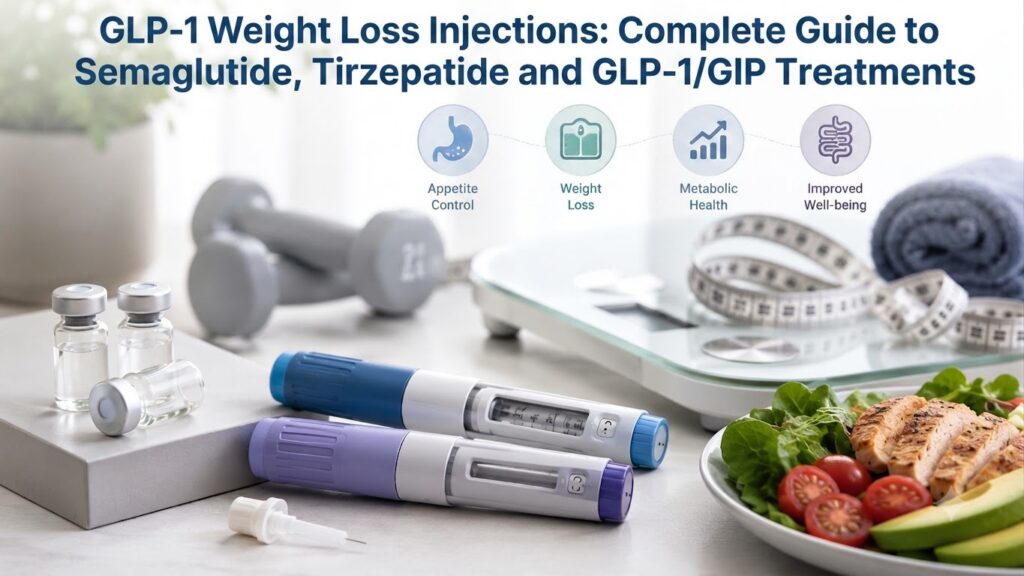

GLP-1 receptor agonists have quietly reshaped how doctors approach two of the most connected metabolic conditions of our time. If you or someone you care for is living with type 2 diabetes, obesity, or both, understanding how GLP-1 therapy works could be one of the most important things you do this year. This single class of injectable medication works on multiple systems simultaneously, lowering blood sugar, reducing appetite, and supporting meaningful, sustained weight loss. Here is what the science actually says, explained clearly.
What Is GLP-1 and Why Does It Matter for Blood Sugar?
GLP-1 stands for glucagon-like peptide-1, a hormone your gut naturally releases after you eat. Its job is straightforward: signal the pancreas to produce insulin, tell the liver to slow glucose release, and communicate to your brain that you are full. In people with type 2 diabetes, this system is partially broken. The gut still secretes GLP-1, but the body’s response to it is blunted, which means blood sugar stays elevated longer after meals.
GLP-1 receptor agonists are synthetic compounds designed to mimic and extend this natural signal. Unlike the hormone itself, which breaks down in minutes, these medications stay active in the body for hours or even a full week, depending on the formulation. That extended action gives the pancreas more time to respond and keeps blood glucose levels more stable throughout the day.
From a clinical standpoint, this matters enormously. Consistently elevated blood sugar damages nerves, blood vessels, kidneys, and eyes over time. A therapy that keeps post-meal glucose in a healthier range is not just managing a number on a lab report. It is actively protecting organs.
How GLP-1 Injections Support Weight Loss in Obesity
The Brain-Gut Connection Behind Appetite Control
One of the reasons GLP-1 therapy has gained so much attention beyond diabetes care is its effect on body weight. The same receptor that this hormone activates in the pancreas also exists in the hypothalamus, the region of the brain responsible for hunger and satiety signals.
When a GLP-1 receptor agonist binds to these brain receptors, people consistently report feeling full sooner during meals and less interested in food between them. This is not a willpower shift. It is a physiological change in how the brain processes hunger. Clinical trials involving semaglutide, one of the most studied GLP-1 receptor agonists, have shown average weight reductions of 12 to 17 per cent over 68 weeks in people with obesity but without diabetes.
Slowing Gastric Emptying
GLP-1 also slows the rate at which food moves from the stomach into the small intestine. This gastric emptying delay contributes to longer-lasting fullness and a gentler rise in blood sugar after meals, both of which support weight management and glycemic control.
GLP-1 for Blood Sugar and Weight: The Dual Benefit Explained
Why Type 2 Diabetes and Obesity Often Occur Together
Type 2 diabetes and obesity are deeply intertwined. Excess body fat, particularly around the abdomen and organs, increases insulin resistance, forcing the pancreas to produce more insulin just to move glucose into cells. Over time, the pancreas can no longer keep up, and blood sugar rises. This is why losing even five to ten per cent of body weight can dramatically improve insulin sensitivity and reduce the need for glucose-lowering medication.
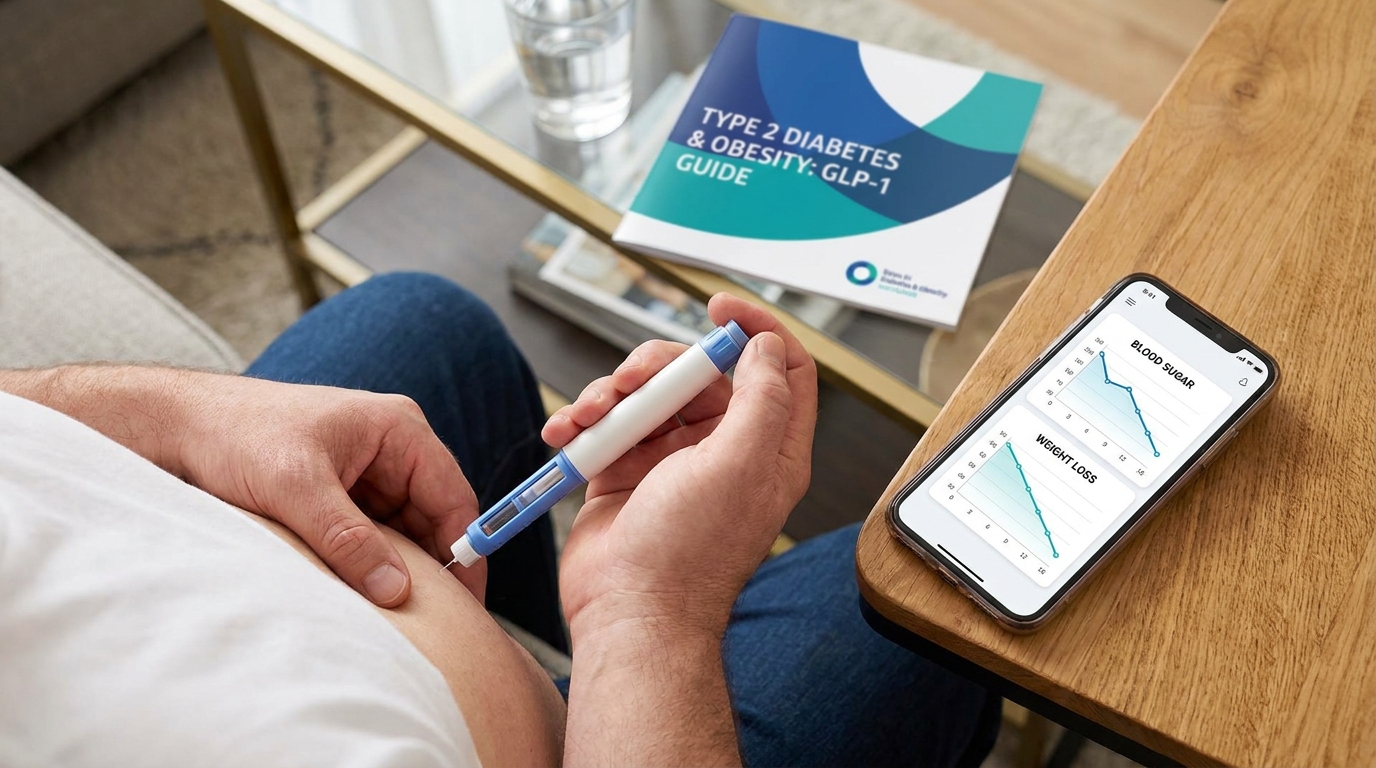
GLP-1 receptor agonist therapy addresses both sides of this equation simultaneously. It improves the insulin response directly while also reducing the excess weight that drives insulin resistance in the first place. For many patients, this dual action produces better outcomes than either dietary intervention or glucose-lowering medication alone.
What Clinical Evidence Shows
Major cardiovascular outcome trials have added another layer of evidence. The LEADER trial for liraglutide and the SUSTAIN-6 and SELECT trials for semaglutide demonstrated reductions in major cardiovascular events, including heart attack and stroke, in people with established cardiovascular disease. This makes GLP-1 therapy one of the few diabetes treatments that also appears to protect the heart.
Kidney protection data has been followed. Some GLP-1 receptor agonists have shown reductions in kidney disease progression, an important finding given that diabetic kidney disease remains one of the leading causes of kidney failure globally.
Who Is GLP-1 Therapy Typically Prescribed For?
GLP-1 receptor agonists are generally considered in the following situations:
Adults with type 2 diabetes who need better blood sugar control, particularly those with elevated cardiovascular or kidney risk.
Adults with obesity (BMI of 30 or above) or those with overweight (BMI 27 or above) combined with a weight-related condition such as high blood pressure, sleep apnea, or high cholesterol, when lifestyle changes alone have not achieved adequate results.
People managing both conditions together, where the overlapping benefits of glucose control and weight reduction make this therapy especially well-suited.
It is important to note that GLP-1 therapy is not appropriate for everyone. People with a personal or family history of medullary thyroid carcinoma, a rare thyroid cancer, or a condition called multiple endocrine neoplasia syndrome type 2 are typically advised to avoid this class of medication. A thorough evaluation by a qualified clinician is essential before starting.
Common Questions About Starting GLP-1 Treatment
How is GLP-1 medication administered?
Most GLP-1 receptor agonists are given as subcutaneous injections, meaning just under the skin, using a small pen-like device. Depending on the specific medication, doses are administered daily or once weekly. Oral semaglutide is also available as a tablet, though it requires specific timing with water before meals for optimal absorption.
What side effects should patients expect?
The most frequently reported side effects are gastrointestinal, including nausea, vomiting, constipation, and diarrhoea. These are most common when starting therapy or after dose increases and typically improve over weeks as the body adjusts. Starting at a low dose and titrating gradually is standard practice to minimise these effects.
How long does it take to see results?
Blood sugar improvements are often measurable within the first few weeks. Weight loss tends to be more gradual, with the most significant changes appearing over three to six months and continuing for up to a year or more with consistent use.
A Note on Realistic Expectations and Long-Term Use
GLP-1 therapy is not a permanent cure for either type 2 diabetes or obesity. Clinical data consistently show that discontinuing treatment leads to a return of elevated blood sugar and regained weight for most people. This is because these medications are managing an underlying metabolic condition, not reversing its root cause.
This does not make them less valuable. It simply means they are most effective when understood as a long-term tool, ideally combined with sustainable dietary habits, regular physical activity, and ongoing clinical monitoring.
The most successful outcomes tend to occur when patients work closely with a healthcare team that includes an endocrinologist or diabetologist, a registered dietitian, and a primary care physician who can monitor for side effects and adjust treatment as needed.
Frequently Asked Questions
Q1. Can GLP-1 medications be used if I do not have diabetes?
A: Yes. Several GLP-1 receptor agonists, including semaglutide (Wegovy) and liraglutide (Saxenda), are approved for chronic weight management in adults with obesity or overweight and at least one weight-related condition, regardless of diabetes status.
Q2. Is GLP-1 therapy the same as insulin?
A: No. GLP-1 receptor agonists stimulate the body’s own insulin production only when blood sugar is elevated, which significantly reduces the risk of hypoglycemia. Insulin, by contrast, lowers blood sugar directly regardless of current glucose levels.
Q3. Are there generic versions available?
A: As of now, most GLP-1 receptor agonists remain under patent protection, making them expensive without insurance coverage. Availability and cost vary significantly by country and insurance plan.
Q4. Can GLP-1 injections replace diet and exercise?
A: They work best alongside, not instead of, lifestyle changes. People who combine GLP-1 therapy with improved nutrition and regular movement tend to achieve better, more durable results than those relying solely on medication.
Q5. What is the difference between semaglutide and liraglutide?
A: Both are GLP-1 receptor agonists, but semaglutide has a longer half-life, allowing once-weekly dosing, whereas liraglutide requires daily injection. Clinical trials suggest semaglutide produces greater average weight loss, though individual responses vary.
Advance Your Longevity Journey
Our clinical team provides personalized senolytic assessments based on the latest research protocols.