
If you have ever read the ingredient list on an acne-clearing cream and felt completely lost, you are not alone. Tretinoin, clindamycin, and azelaic acid are three of the most clinically validated acne-fighting ingredients available today, yet most people do not fully understand what each one does, why they are often combined, or what to expect when using them. This guide breaks down exactly how these ingredients work, what the research says, and how to use them safely for clearer, healthier skin.
What Makes an Acne Clear Cream Actually Work?
Not all acne creams are built the same. Over-the-counter products typically rely on salicylic acid or benzoyl peroxide, which are effective for mild breakouts. But for persistent or moderate-to-severe acne, dermatologists often turn to prescription-grade formulations that contain a combination of tretinoin, clindamycin, and azelaic acid.
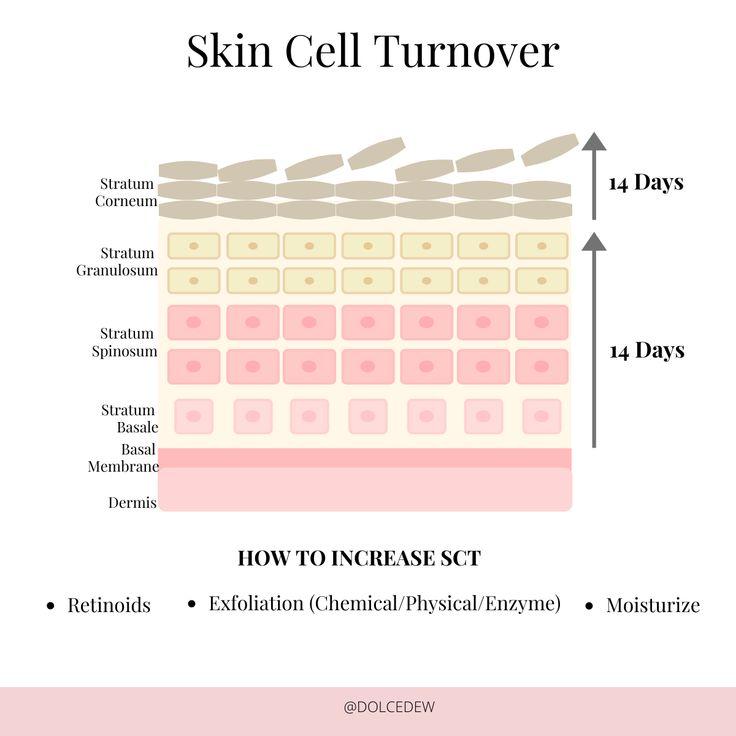
These ingredients do not just reduce surface-level redness. They target acne at its root inside the pore, in the skin cell turnover cycle, and in the bacterial environment that drives inflammation. Understanding how each one works helps you set realistic expectations and use your treatment more effectively.
Clindamycin — The Antibiotic Component in Acne Treatments
How Clindamycin Targets Acne-Causing Bacteria
Clindamycin is a topical antibiotic that works by inhibiting Cutibacterium acnes (formerly known as P. acnes), the bacteria primarily responsible for turning a clogged pore into an inflamed, painful pimple. By disrupting bacterial protein synthesis, clindamycin reduces the bacterial load on the skin and consequently lowers inflammation.
Why Clindamycin Is Rarely Used Alone
On its own, clindamycin is effective in the short term. However, long-term solo use can lead to antibiotic resistance, meaning the skin’s bacterial population adapts, and the treatment becomes less effective over time. This is why dermatologists almost always prescribe clindamycin alongside either tretinoin or benzoyl peroxide, both of which counteract the development of resistance.
In combination formulas, clindamycin and tretinoin complement each other: clindamycin tackles active bacterial inflammation while tretinoin addresses the structural cause of pore blockage.
Azelaic Acid — The Underrated Ingredient in Acne Clear Creams
Azelaic Acid Benefits for Acne and Hyperpigmentation
Azelaic acid is a naturally occurring dicarboxylic acid found in grains such as wheat, rye, and barley. In topical concentrations of 15% to 20%, it has been shown in clinical studies to be as effective as some prescription treatments for mild-to-moderate acne, with a notably gentler side-effect profile.
Azelaic acid works through three distinct mechanisms. It kills acne-causing bacteria, normalises the keratinisation process inside the follicle (which reduces blockage), and inhibits the enzyme tyrosinase, which is responsible for producing excess melanin. That last point makes it particularly valuable for treating post-inflammatory hyperpigmentation, the stubborn dark marks that many people find more distressing than the acne itself.
Who Benefits Most from Azelaic Acid
Azelaic acid is especially well-suited for people with sensitive skin, darker skin tones prone to hyperpigmentation, or those who cannot tolerate the initial irritation associated with retinoids. It is also safe to use during pregnancy, which makes it one of the few effective acne treatments available to expectant mothers.
How These Acne Clear Cream Ingredients Work Together
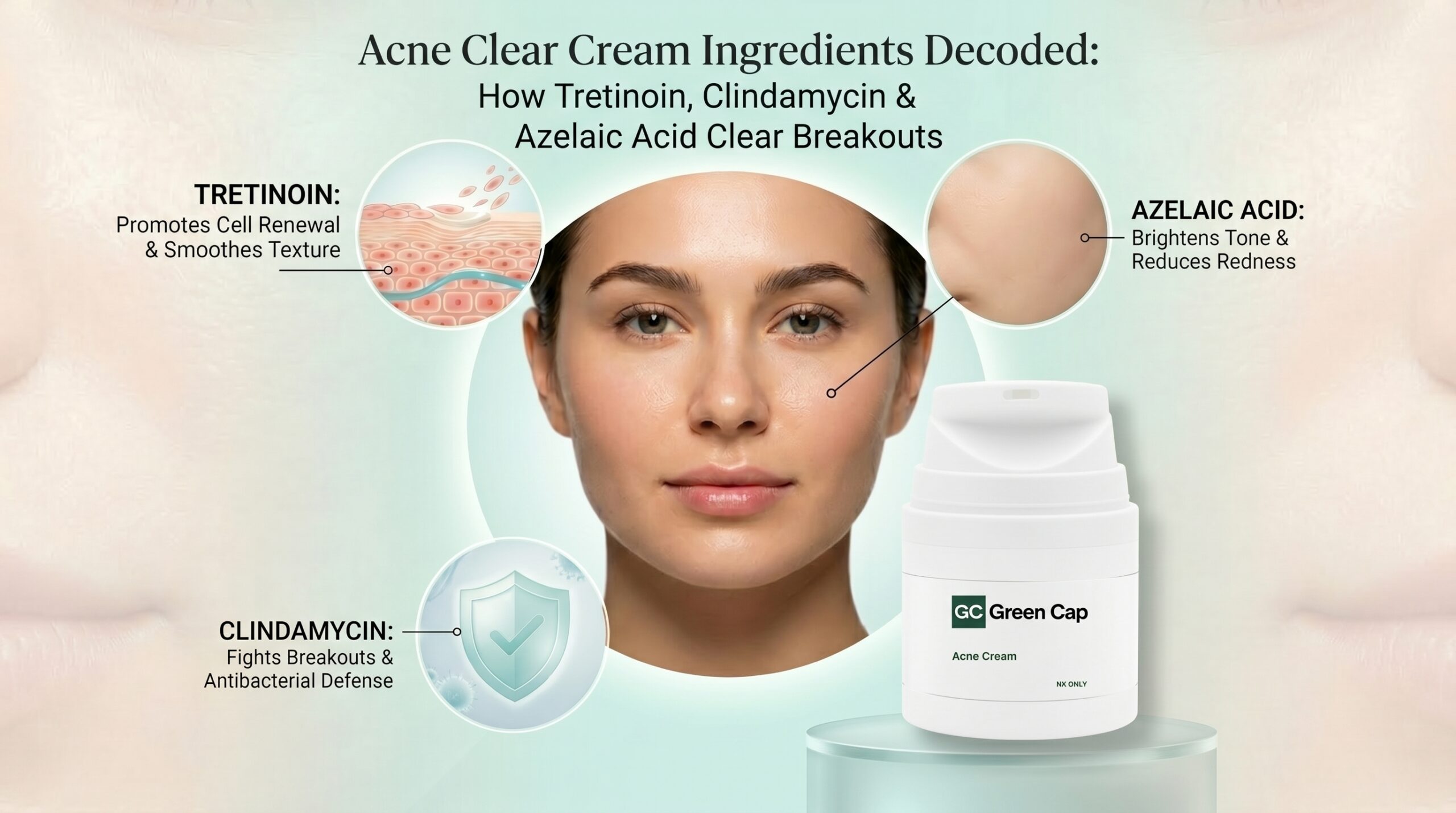
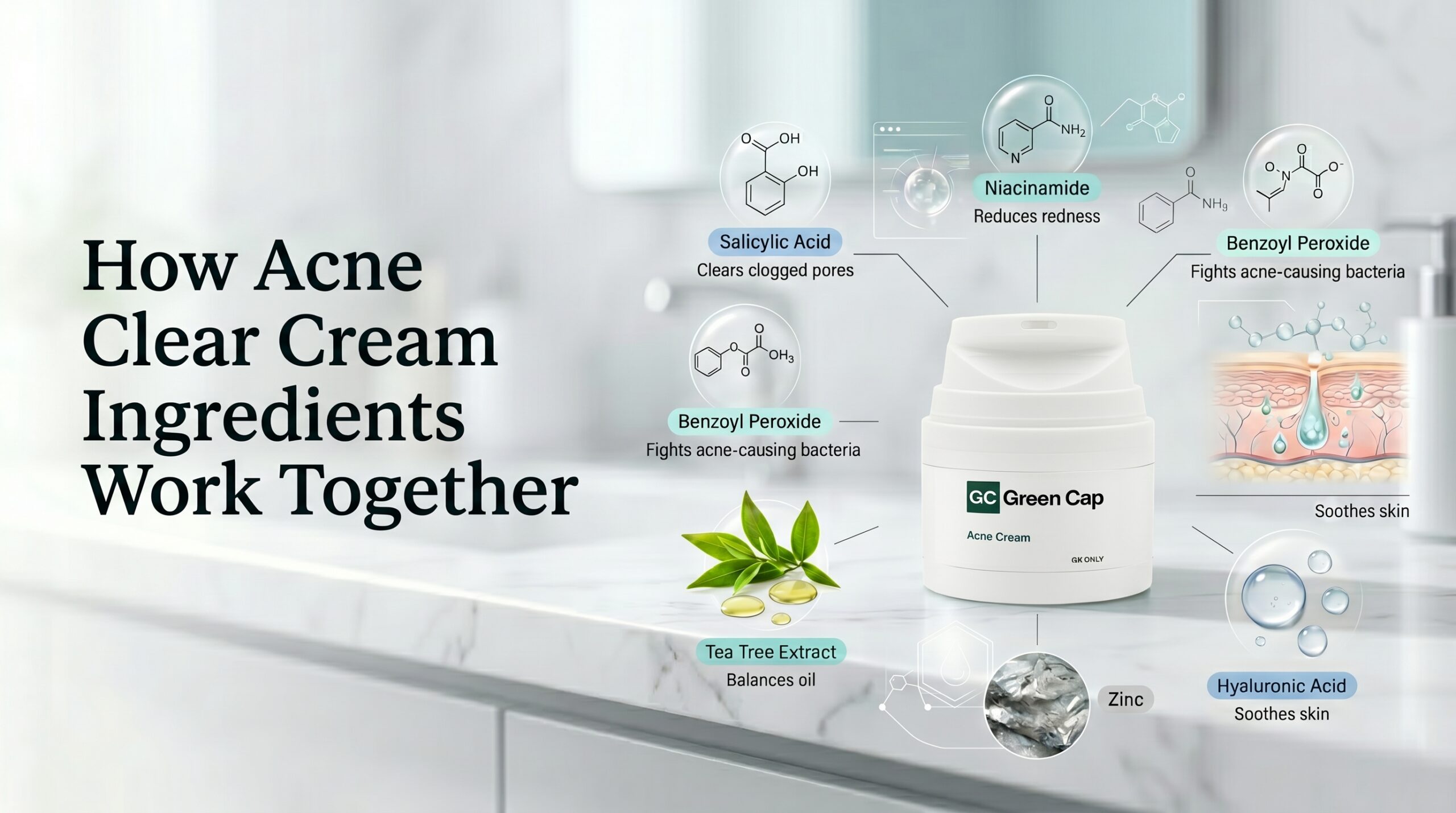
When tretinoin, clindamycin, and azelaic acid are formulated together, they create a multi-pathway approach to acne that is more effective than any single ingredient alone.
Tretinoin keeps pores clear and accelerates cell renewal. Clindamycin reduces the bacterial population that causes inflammation. Azelaic acid provides antibacterial support, smooths skin texture, and targets the discolouration left behind by previous breakouts. Together, they address the full cycle of acne formation, inflammation, and aftermath.
This is why combination formulations have become a cornerstone of prescription dermatology. Rather than layering multiple products (which increases the risk of irritation), a well-formulated acne-clearing cream delivers all three benefits in a single, skin-tolerable application.
How to Use These Ingredients Safely and Effectively
Start slowly with any new active ingredient. Apply a pea-sized amount of tretinoin-containing cream to dry skin at night, three nights per week, before building to nightly use. Always follow with a fragrance-free moisturiser to minimise irritation.
Clindamycin can be applied in the morning, as it is stable in daylight, while tretinoin is best reserved for evening use due to its sensitivity to UV degradation. Azelaic acid can be used in the morning or at night.
Most importantly, apply broad-spectrum SPF 30 or higher every morning without exception. Tretinoin significantly increases photosensitivity, and skipping sunscreen will worsen hyperpigmentation rather than improve it.
FAQs:
Q1. Can I use tretinoin, clindamycin, and azelaic acid together?
A: Yes, but it is advisable to do so under dermatological guidance. Many prescription formulations already combine these ingredients. If using them separately, space out applications, for example, clindamycin in the morning and tretinoin at night, to reduce the risk of irritation.
Q2. How long does it take for these acne-fighting ingredients to work?
A: Most people notice a noticeable improvement within 8 to 12 weeks of consistent use. Tretinoin in particular requires patience, as the initial purging phase can make skin appear worse before it improves.
Q3. Is azelaic acid better than tretinoin for sensitive skin?
A: Azelaic acid is generally better tolerated by sensitive skin and is a strong alternative for those who cannot tolerate retinoids. However, tretinoin is more potent for long-term acne control and skin renewal.
Q4. Can these ingredients cause skin darkening?
A: Quite the opposite, azelaic acid actively reduces hyperpigmentation. However, using tretinoin without sunscreen can lead to UV-induced darkening. Always wear SPF when using any retinoid.
Q5. Are these ingredients safe for all skin types?
A: These ingredients suit most skin types, but concentrations and formulations should be selected based on individual skin sensitivity. A board-certified dermatologist can advise the most appropriate combination and strength for your specific skin concerns.
Advance Your Longevity Journey
Our clinical team provides personalized senolytic assessments based on the latest research protocols.