

Weight loss advice is everywhere, but most falls short. Bold promises, overpriced supplements, and trends may get attention, yet rarely lead to sustained results.
At Green Cap Health, our licensed clinicians work daily with patients who have tried many methods before finding a biology-based approach. This guide covers which weight-loss products work, what clinical evidence shows, and how to build a strategy suited to your body, not marketing hype.
Why Calorie Counting Alone Doesn’t Work for Most People
The “eat less, move more” approach has long dominated weight loss advice. While energy balance is important, it overlooks key biological systems that also regulate fat storage and burning.
Hormones, sleep, stress, inflammation, and insulin sensitivity shape metabolism in ways calorie deficit alone cannot. When these systems are dysregulated, the body resists weight loss, leaving many feeling they’ve failed when, in reality, their physiology works against them.
The hormones that matter most include:
- Insulin regulates glucose storage; resistance leads to excess fat accumulation.
- Cortisol, the stress hormone, has chronically elevated levels that promote abdominal fat storage.
- Leptin and ghrelin, the satiety and hunger hormones, are disrupted by poor sleep and yo-yo dieting.
- Thyroid hormones govern metabolic rate; even subclinical imbalances can make weight loss difficult.
Understanding these factors is the first step to finding an effective approach.
Evidence-Based Medical Options for Weight Loss
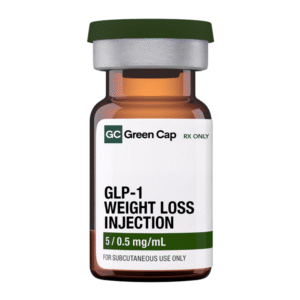
Semaglutide (GLP-1 Receptor Agonist)
Semaglutide is currently one of the most clinically validated medications available for weight management. Originally developed to treat type 2 diabetes, it has since been approved for chronic weight management in adults with obesity or weight-related health conditions.
How it works: Semaglutide mimics GLP-1 (glucagon-like peptide-1), a naturally occurring hormone that signals fullness to the brain, slows gastric emptying, and helps regulate blood sugar. Unlike older stimulant-based diet pills, it works through your body’s own appetite pathways, not by artificially suppressing hunger or raising your heart rate.
What clinical trials show: In large-scale trials, participants using semaglutide alongside lifestyle modifications lost an average of approximately 15% of their body weight over 68 weeks. That level of weight reduction was associated with meaningful improvements in blood pressure, cholesterol, blood sugar regulation, and inflammatory markers.
Important context: Semaglutide is a prescription medication. It is not appropriate for everyone, and it works best when combined with nutritional support and clinical oversight. At Green Cap Health, our physicians assess each patient individually before recommending any prescription treatment.
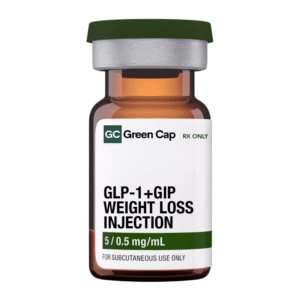
Tirzepatide (Dual GIP/GLP-1 Agonist)
Tirzepatide is a newer medication that targets two hormone pathways simultaneously, GIP and GLP-1, offering an additional option for patients who may benefit from dual-action metabolic support. Clinical data suggest it may produce even greater weight reduction than semaglutide in certain populations.
Like semaglutide, tirzepatide requires a prescription and clinician supervision. Green Cap Health’s physicians can help determine whether it may be appropriate for your situation.
Supplements That May Support Weight Management
No supplement replaces a structured lifestyle program or clinically indicated medication. While some nutrients have evidence supporting a supportive role, supplements alone are unlikely to produce significant weight loss or replace medical interventions. Consider them as one part of a comprehensive plan, not a primary solution.
Be sceptical of broad marketing claims in this category. Here’s what research suggests:
Soluble fibre can increase satiety, slow digestion, improve blood sugar control, and reduce overall calorie intake, particularly when paired with whole-food eating patterns.
Omega-3s improve insulin sensitivity, regulate inflammation, and support heart health. They don’t directly reduce fat, but strengthening metabolism supports overall weight management.
Green tea extract (EGCG with caffeine) may modestly boost thermogenesis, the body’s calorie-burning rate. This is a supporting, not main, tool.
Chromium supports insulin signalling and glucose metabolism. It may help those with blood sugar dysregulation, though individual responses vary.
Adaptogenic herbs like ashwagandha and rhodiola may help manage chronic stress by moderating cortisol levels. Lower cortisol may curb abdominal fat and indirectly support weight goals.
A Note on Supplement Quality
Supplement quality varies widely. What separates an effective product from an ineffective one is often bioavailability, standardised dosing, third-party testing, and the absence of hidden stimulants or contaminants. Our clinical team can guide you to products that meet these standards.
The Role of Insulin Sensitivity in Long-Term Weight Management
Insulin resistance is one of the most common and most overlooked contributors to weight gain. When your cells become less responsive to insulin, your body stores more glucose as fat, and this process tends to compound over time, increasing the risk of metabolic syndrome and type 2 diabetes.
Improving insulin sensitivity often unlocks weight management progress that calorie restriction alone cannot. Key strategies include resistance training, adequate sleep, a high-fibre diet, omega-3 intake, and, in some cases, prescription medications that directly address insulin function.
Sleep and Stress — Two Factors Most Programs Overlook
Even the best medication or supplement protocol can stall if sleep and stress are not addressed.
Sleep deprivation, even by an hour or two per night, measurably raises ghrelin (a hunger hormone) and lowers leptin (a satiety hormone), making it biologically harder to resist overeating. It also worsens insulin sensitivity.
Chronic stress keeps cortisol elevated, which increases appetite for high-sugar, high-fat foods and promotes abdominal fat storage. It can also disrupt sleep, creating a feedback loop that undermines weight management efforts.
A clinician-guided approach takes these factors into account rather than ignoring them.
How Green Cap Health Approaches Weight Management
Green Cap Health is a telehealth provider connecting patients with licensed clinicians who specialise in evidence-based, personalised health care. Our weight management program is built on your body’s biology, not a one-size-fits-all plan.
Here’s how we work:
- You share your health history through a simple intake process that takes minutes, not hours.
- A licensed physician reviews your case and identifies the medical and lifestyle factors most relevant to your weight goals.
- You receive a personalised treatment plan, which may include prescription medication, targeted supplements, and lifestyle recommendations.
- Ongoing support, our clinical team is available to monitor your progress, adjust your protocol, and answer your questions.
We are HIPAA-compliant, US-based, and committed to transparent, clinician-led care. You can also reach us directly by phone, Monday through Friday, 8 am–5 pm CST at (346) 638-4068.
What to Realistically Expect from Weight Loss Treatment
Weight management is not a linear process. Most patients see early changes in appetite regulation within the first few weeks of GLP-1 therapy. Meaningful, sustained weight reduction typically develops over several months, not days.
Sustainable results come from aligning the right medical tools with realistic expectations, behavioural support, and clinical monitoring. Programs that promise rapid, dramatic results without clinical oversight are rarely safe or effective in the long term.
The Bottom Line
Effective weight loss products and treatments share a few things in common: they are grounded in clinical evidence, they work with your body’s biology, they are overseen by qualified professionals, and they set realistic expectations.
Obesity and metabolic dysfunction are complex medical conditions, not personal failures. If previous approaches haven’t worked, the issue is likely not willpower. It may be a biological factor that hasn’t been properly addressed.
Green Cap Health exists to change that with clinical expertise, genuine care, and treatments designed to deliver real, lasting results.
Frequently Asked Questions
Q: How do I know if I qualify for prescription weight loss medication?
A: Eligibility is typically based on your BMI, existing health conditions, and medical history. Our physicians assess each patient individually. The fastest way to find out is to schedule a brief consultation. We’ll review your situation and be upfront about what’s appropriate for you.
Q: How quickly does semaglutide produce results?
A: Many patients notice changes in appetite and food intake within the first two to four weeks. Measurable weight reduction typically begins over the first few months and continues gradually under medical supervision.
Q: Do I still need to change my diet and exercise habits while on medication?
A: Yes. Prescription weight loss medications work best as part of a broader lifestyle program. They reduce friction and make it easier to make better choices, but they are not a substitute for nutritional support and physical activity.
Q: Are weight loss supplements safe to use?
A: Safety depends on the specific ingredients, your dose, and your personal health history. Stimulant-heavy products carry real cardiovascular risks for some individuals. We recommend speaking with a clinician before starting any supplement regimen.
Q: Are over-the-counter fat burners worth taking?
A: Most stimulant-based “fat burners” produce short-term appetite suppression at best. They do not address the underlying metabolic and hormonal factors that drive weight gain. Long-term, sustainable weight management requires a more comprehensive approach.
Q: Can I talk to a real person before booking a consultation?
A: Yes. Call us Monday through Friday, 8 am–5 pm CST at (346) 638-4068. We’re happy to answer your questions before you commit to anything.
Advance Your Longevity Journey
Our clinical team provides personalized senolytic assessments based on the latest research protocols.